Liposuction Recovery: Understanding Pain and the Importance of Compression Garments
Liposuction is one of the most sought-after cosmetic surgery procedures for removing stubborn fat and enhancing body contours. While many patients focus on the procedure itself, the recovery process plays a major role in determining the final outcome. Two of the most important aspects of post-liposuction recovery are pain management and the proper use of compression garments.
Understanding what to expect after surgery can help you recover more comfortably and achieve the best possible results.

Why Do You Experience Pain After Liposuction?
Pain and discomfort after liposuction are completely normal. During the procedure, fat cells are removed through small cannulas, creating temporary trauma to the surrounding tissues.
Common post-liposuction symptoms include:
Soreness and Tenderness
Many patients describe the sensation as similar to an intense muscle workout or deep bruising. The treated areas may feel sensitive to touch for several days.
Swelling and Bruising
Swelling is a natural healing response as the body repairs itself. Bruising may also occur as small blood vessels are affected during fat removal.
Tightness and Stiffness
As swelling develops and tissues begin to heal, the skin may feel tight and less flexible. This sensation usually improves over time.
In most cases, discomfort is greatest during the first 48–72 hours after liposuction and gradually subsides over the following one to two weeks. Individual experiences vary depending on the treatment area, amount of fat removed, and personal pain tolerance.
Why Compression Garments Are Essential After Liposuction
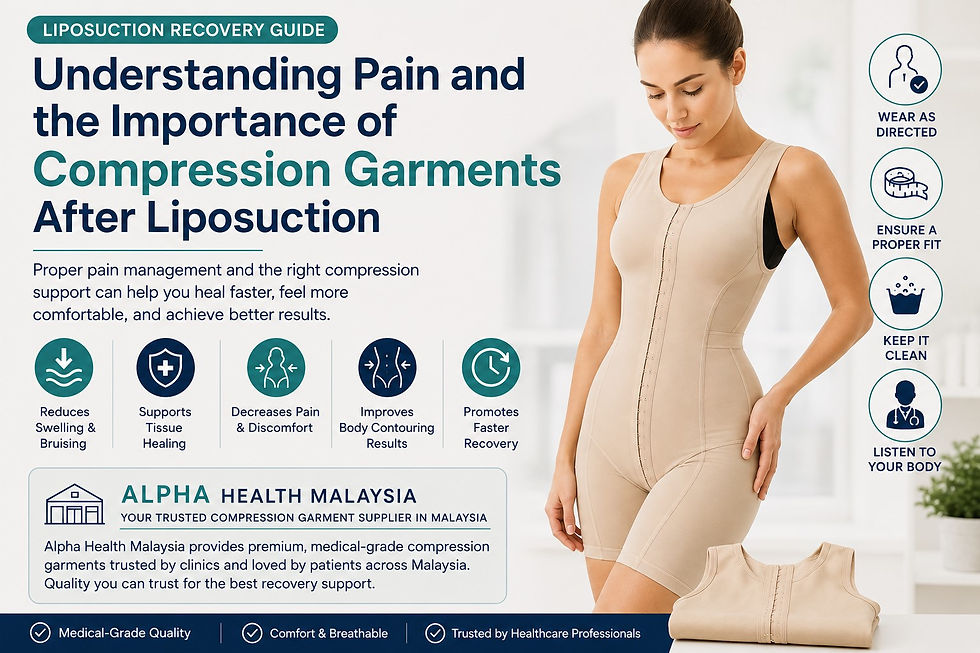
Compression garments are a key component of successful liposuction recovery. These specially designed garments apply controlled pressure to the treated areas, supporting the body's natural healing process.
1. Reduce Swelling and Fluid Retention
One of the biggest benefits of compression garments is their ability to minimize post-operative swelling. Gentle compression helps prevent excess fluid accumulation and encourages healthy circulation, reducing edema and discomfort.
2. Support Tissue Healing and Skin Retraction
After fat removal, the skin and underlying tissues need time to adapt to the body's new contours. Compression garments help tissues settle evenly and encourage the skin to conform smoothly to the treated area.
3. Help Reduce Pain and Discomfort
Many patients find that compression garments provide a comforting "supportive" feeling. The consistent pressure can reduce movement-related discomfort and make daily activities more manageable during recovery.
4. Improve Body Contouring Results
Proper compression may help reduce contour irregularities and support smoother healing. Consistent garment use is often associated with better aesthetic outcomes and more refined body contours.
5. Promote Faster Recovery
By controlling swelling and supporting tissues, compression garments can help patients feel more comfortable and return to normal activities sooner.
Tips for Wearing Compression Garments After Liposuction
To maximize the benefits of your compression garment, follow these guidelines:
Wear It as Directed
Most surgeons recommend wearing compression garments for 23–24 hours per day during the initial recovery phase, removing them only for showering.
Ensure a Proper Fit
The garment should feel snug and supportive without causing excessive discomfort, numbness, or restricted circulation.
Maintain Good Hygiene
Wash your garment regularly according to the manufacturer's instructions to prevent skin irritation and maintain comfort.
Monitor Your Recovery
Mild pressure and temporary discomfort are expected. However, severe pain, increasing swelling, skin discoloration, or numbness should be reported to your surgeon immediately.
Additional Ways to Manage Pain After Liposuction
While compression garments play a significant role, combining them with other recovery strategies can further improve comfort.
Follow Your Medication Schedule
Take prescribed pain medications exactly as directed by your healthcare provider.
Stay Mobile
Short walks encourage blood circulation, reduce stiffness, and lower the risk of post-surgical complications.
Elevate Treated Areas
When possible, elevating areas such as the abdomen, thighs, or legs can help reduce swelling.
Use Cold Therapy Carefully
During the first 24–48 hours, your surgeon may recommend gentle cold therapy to help manage swelling and discomfort.
Stay Hydrated
Proper hydration supports circulation, healing, and overall recovery.
How Long Should Compression Garments Be Worn?
The duration varies depending on the extent of liposuction and your surgeon's recommendations. Many patients wear compression garments full-time for the first 2–6 weeks, followed by a gradual reduction in wear time as swelling decreases and healing progresses.
Remember that healing continues for several months, even after visible swelling has improved.
Final Thoughts
Pain after liposuction is a normal part of the recovery journey, but it is usually temporary and manageable. One of the most effective tools for reducing swelling, improving comfort, and supporting optimal body contouring results is a properly fitted compression garment.
Far more than a post-surgery accessory, compression garments play a crucial role in helping tissues heal, minimizing complications, and enhancing your final outcome. By following your surgeon's instructions and committing to proper post-operative care, you can enjoy a smoother recovery and the best possible liposuction results.


Comments